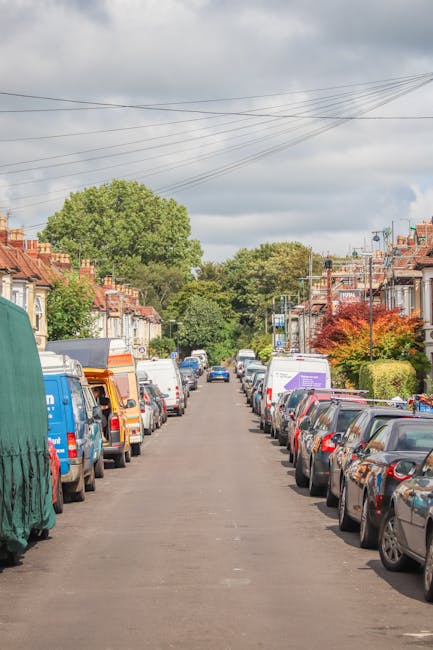
Gardeners Access Problems on Narrow Arnos Grove Roads: Practical Solutions for Tight Frontages, Limited Parking and Safer Visits
Narrow streets can turn a simple garden appointment into a bit of a puzzle. In Arnos Grove, where road width, parked cars, tight turns and limited loading space can all get in the way, Gardeners access problems on narrow Arnos Grove roads are not just an inconvenience; they shape how work is planned, priced and delivered. If you have ever watched a van creep forward, reverse, and then try again while someone holds a gate open, you already know the feeling.
This guide explains what access issues usually look like, why they matter, and how good planning makes gardening work smoother for everyone. We will cover practical steps, common mistakes, what tools help most, and when it is worth choosing a different method altogether. A lot of the stress disappears once the access challenge is understood properly. Truth be told, that is usually the real fix.
Table of Contents
- Why narrow-road access matters
- How access planning works in practice
- Key benefits of getting access right
- Who this is for
- Step-by-step guidance
- Expert tips for better results
- Common mistakes to avoid
- Tools, resources and recommendations
- Law, compliance and best practice
- Options and comparison
- Case study
- Practical checklist
- Conclusion
- Frequently asked questions
Why Gardeners Access Problems on Narrow Arnos Grove Roads Matters
Access issues affect more than convenience. They can decide whether a job starts on time, whether equipment can be safely unloaded, and whether the work can be completed without damaging parked cars, paving, fences or planting beds. On a narrow Arnos Grove road, even a short kerbside stop may be difficult if the street is busy or if vehicles are parked tightly on both sides.
For homeowners, the impact is often felt before the first spade touches the soil. A gardener may need to carry tools by hand from a distant parking bay, break work into smaller stages, or bring lighter equipment instead of bulkier machines. That can influence the scope of a visit. For example, a hedge trim is one thing; removing several tonnes of green waste from a rear garden is another entirely.
Why does this matter so much? Because access affects labour time, safety, and what can realistically be delivered in a single visit. A garden that looks straightforward from the pavement can become awkward once you factor in side alleys, basement steps, shared entrances, locked gates and a very stubborn wheelie bin route. It sounds small. It rarely is.
Practical takeaway: good access planning saves time, reduces disruption, and helps gardeners choose the safest method for the space rather than forcing a one-size-fits-all approach.
If the garden is already overgrown or has structural obstacles, access becomes even more important. In those cases, you may find it useful to read about transforming a neglected garden and how an initial tidy-up can make later visits much easier.
How Gardeners Access Problems on Narrow Arnos Grove Roads Works
In practice, access planning begins long before arrival. The gardener or project lead will typically assess three things: where parking is possible, how equipment reaches the garden, and how waste leaves the property. Those three questions decide a surprising amount.
On narrow streets, the first constraint is often the vehicle itself. A van may not be able to stop directly outside, so the team may need to park further away and carry tools in. That affects time, but it also changes the kit selection. Lightweight, modular tools often work better than heavy, single-purpose machines. If a job requires large machinery, the access route may need to be redesigned or the task split into phases.
The second constraint is physical passage. Side gates, shared paths, uneven steps, narrow side returns and awkward corners can all limit movement. A gardener may be able to enter, but not with the same tools they would use on a roomy suburban driveway. In real life, this often means choosing hand tools, battery-powered equipment, or compact cutters instead of larger petrol machines.
The third constraint is waste handling. Grass clippings, branches, ivy, soil and old timber all need to be moved out without creating hazards. On a tight road, bags may have to be staged inside the boundary before being carried out in manageable loads. That sounds a bit dull, but it is exactly what keeps the work tidy and safe.
Access planning also affects communication. A quick phone call, photo exchange or site note can avoid a lot of guesswork. If you are unsure what to send, start with a few pictures of the front approach, side access, gate width and any steps. This is one of those tiny admin jobs that pays for itself immediately.
Key Benefits and Practical Advantages
When access is handled properly, the benefits show up almost straight away. The work runs more smoothly, the team spends less time moving equipment around, and the property experiences less wear and tear. On narrow roads, that can make the difference between a good visit and a frustrating one.
- Safer movement: fewer trips, fewer awkward lifts, and less chance of bumping walls, pots or railings.
- Better time control: the job is planned around realistic arrival, unloading and waste-removal steps.
- Reduced disruption: neighbours, pedestrians and passing traffic face less interruption.
- More accurate quoting: access constraints can be built into the estimate rather than discovered halfway through.
- Cleaner finish: careful staging helps keep debris off the road and out of shared spaces.
There is also a customer-experience benefit that gets missed a lot. When the gardener arrives prepared for a narrow access site, the whole visit feels calmer. No awkward sighing at the gate, no improvising with the wrong mower, no last-minute hunt for somewhere to drop bags of waste. It just feels organised. And that matters.
If your aim is to make future visits simpler, small design changes can help too. A garden that uses container gardening or other movable planting solutions can be much easier to maintain when access is tight.
Who This Is For and When It Makes Sense
This topic matters to a wide mix of people. Some are homeowners on compact residential streets. Others are landlords, letting agents, or older residents who want regular maintenance without the hassle of repeated access issues. It also applies to anyone managing a rear garden reached by a narrow passage, shared entrance or a steep set of steps.
It makes particular sense when any of the following are true:
- the road is heavily parked and vans cannot stop directly outside;
- the garden is behind a terraced or semi-detached property with limited side access;
- the work involves bulky waste, hedge cuttings or tree material;
- the garden needs regular visits rather than a one-off tidy-up;
- you want to minimise disruption to neighbours and passers-by.
It also matters if the garden has special features such as raised beds, fencing, decking or patio areas that can be damaged by repeated carrying through tight routes. For instance, if the task includes cleaning hard surfaces or restoring a tired outdoor area, a carefully planned visit can avoid dragging grime or debris across clean sections. That is why services such as patio cleaning or decking services should be scheduled with access in mind rather than as an afterthought.
Let's face it: if the route into the garden feels like a squeeze before work even starts, it is better to plan around that honestly than to hope it sorts itself out. It usually does not.
Step-by-Step Guidance
Here is a straightforward way to deal with narrow-road access without turning the job into a logistics exercise from hell.
- Map the approach. Note where a vehicle could legally stop, where a gardener would walk in, and where waste would come out. Take into account one-way streets, corner visibility and any school-time traffic spikes.
- Measure the tight spots. Gate widths, side passages, doorway openings and stair widths all matter. A quick tape measure can save a lot of guesswork.
- Photograph the route. A few clear images of the front, side access, rear garden and storage area are often enough to make planning decisions.
- Choose the right tools. If access is limited, compact tools, hand pruners, battery equipment and modular waste bags may be more practical than large machines.
- Plan waste handling. Decide where clippings will be stacked, bagged and carried out. If there is a rear gate, check whether it opens fully and whether the path is stable.
- Protect surfaces. Use sheets, boards or other protection where needed, especially over delicate paving or decking edges.
- Review the job sequence. On a narrow site, pruning, clearing and loading waste in the right order can make the whole visit feel half as long. Not always, but often enough.
A small practical example: imagine a hedge cut on a road where parking is always tight. Rather than arriving with a van full of oversized waste bags and hoping for the best, the team might bring lighter bags, portable tools and a plan to remove trimmings in several trips. The job still gets done, but the site stays under control.
Expert Tips for Better Results
There are a few habits that make a noticeable difference on narrow Arnos Grove roads.
1. Share access details early. The more honest the brief, the better the plan. Mention locked gates, awkward steps, low brick arches, shared alleys and resident parking restrictions before the visit. It avoids a lot of day-of stress.
2. Keep gates and paths clear. A clear route is worth more than people realise. Even moving a bike, a bin or a stack of plant pots can make the job easier and safer.
3. Think in stages. Big jobs do not always need to happen all at once. Overgrown borders, hedge reshaping, stump removal and border clearance can sometimes be separated into manageable visits. That is often the smarter route.
4. Use the weather sensibly. Wet days can make carrying tools and waste through narrow access routes harder, especially where paths are slippery. A dry morning can be the difference between a tidy visit and a muddy shuffle.
5. Consider lower-mass planting choices. If your garden is difficult to reach, future maintenance becomes easier if you choose plants that need less heavy lifting and less frequent replacement. Low-maintenance schemes are not boring; they are practical.
If you want inspiration for planting that does not create avoidable access headaches later, have a look at ground cover ideas for UK gardens and evergreen climbers for darker spaces. Both can support smarter, easier-to-maintain layouts.
And if a hedge is the thing making access awkward in the first place, a planned trim can help a lot. The article on hedge trimming shapes and techniques is a useful companion read.
Common Mistakes to Avoid
Narrow access jobs tend to go wrong in predictable ways. The good news is that most of them are avoidable.
- Assuming the van can park outside. On a narrow road, that is often the first thing to fail.
- Underestimating waste volume. A small hedge or border can produce more material than expected. Always plan for a bit extra.
- Ignoring neighbour impact. A blocked path, noisy early arrival or debris left by the kerb can create complaints very quickly.
- Using equipment that is too large. Bigger is not always better. Sometimes it just means slower and riskier.
- Not checking gate security. Wobbly latches, seized locks and loose hinges slow everything down.
- Failing to protect surfaces. One heavy bag dragged across a step can leave a mark that is annoying for months.
A subtle mistake is trying to "push through" with the wrong setup because you want everything done in one visit. That sounds efficient, but on restricted access sites it often creates more delays. A better approach is to choose the right-sized plan from the start. Less drama, more progress.
Tools, Resources and Recommendations
For narrow access gardens, the most useful tools are often the most adaptable ones. Think compact rather than heavy, and flexible rather than oversized.
- Battery-powered hand tools: useful where carrying fuel equipment would be awkward.
- Lightweight pruning tools: secateurs, loppers and hand saws are often easier to move through narrow routes.
- Sturdy waste bags and tied bundles: smaller loads are simpler to carry, especially if the route has steps.
- Protective sheets or boards: helpful when working over paving, decking or tight side paths.
- Measuring tape and phone camera: simple, but very effective for pre-visit planning.
For readers trying to make the whole garden easier to maintain, a few related topics are worth exploring. If the outdoor space is cluttered or outdated, transforming a neglected garden can provide a helpful starting point. For tidier, lower-maintenance planting choices, low-maintenance garden ideas are worth a look.
Seasonal care also matters. Winter can make narrow paths slippery and messy, while storms can drop debris into tight access routes. If that is a concern, these guides may help: winter plant protection tips and keeping plants safe during storms.
Law, Compliance, Standards, or Best Practice
On narrow residential roads, the main concerns are usually safety, neighbour consideration, and avoiding obstruction. Exact legal obligations can vary depending on the street, parking controls, property layout and the nature of the work, so it is best to treat this area carefully rather than casually.
In normal UK practice, good access management means the following:
- vehicles are parked lawfully and without unnecessary obstruction;
- paths, steps and entrances are kept as safe as reasonably possible;
- manual handling is kept sensible to reduce strain and prevent accidents;
- the work area is managed so debris does not create a hazard for pedestrians;
- the contractor is transparent about what can and cannot be done safely on the site.
For larger or more physically demanding tasks, responsible providers should also think about insurance and risk controls. That is why pages such as insurance and safety and health and safety policy matter to customers who want reassurance, not just results.
Best practice also includes clear terms, fair payment handling and transparent pricing. If a visit is likely to take longer because of access limitations, the quote should reflect that openly rather than surprise anyone later. For that side of the process, pricing and quotes and terms and conditions are the kind of pages worth checking before work begins.
One more point, and it is a practical one: if access is difficult enough that moving waste becomes unsafe, the job should be redesigned, not forced. That is not being fussy. That is simply good practice.
Options, Methods, or Comparison Table
Not every access problem needs the same solution. Some jobs are best tackled with hand tools, others with compact powered equipment, and some are better split into multiple visits. Here is a simple comparison.
| Method | Best for | Advantages | Trade-offs |
|---|---|---|---|
| Manual carry-in with hand tools | Very tight streets, small gardens, light pruning | Highly flexible, low disruption, easy to adapt | Slower on larger jobs, more labour intensive |
| Compact battery-powered kit | Moderate access limits, regular maintenance | Quieter, lighter, easier to handle | May not suit heavy clearance or large-scale cutting |
| Split-visit approach | Overgrown gardens, bulky waste, complex layouts | Reduces pressure, keeps the site manageable | Takes longer to complete overall |
| Pre-cleared access route | Gardens with side entrances or shared passages | Makes loading and movement easier | Needs homeowner preparation and cooperation |
There is no universal winner here. The right method depends on the property, the road, the amount of waste and the level of risk. That is exactly why a good site assessment matters more than a glossy promise. A sensible plan beats a heroic one. Every time.
Case Study or Real-World Example
Picture a terraced home on a narrow Arnos Grove road with parking on both sides, a small front garden and a rear courtyard reached through a side passage. The homeowner wants hedge trimming, border tidying and removal of a pile of old cuttings from the last season.
At first glance, the work looks straightforward. But once the van arrives, it becomes clear that there is no direct parking space outside, the side passage is tight, and the rear gate only opens halfway because a bin is in the way. A less prepared approach would have meant repeated lifting, awkward turns and probably a bit of swearing under the breath. Happens to the best of us.
The smarter plan is to:
- move the bin temporarily to create a wider gate opening;
- bring compact tools instead of larger cutting equipment;
- cut and bag waste in smaller stages;
- clear the route before carrying anything heavy;
- leave the final waste load near the front only when ready for collection.
The result is not dramatic, but it is effective. The hedge gets shaped cleanly, the path stays protected and the garden feels refreshed without damage or delay. That is the real win here: a tidy job done without turning the street into a worksite.
Practical Checklist
Before a gardener visits a narrow Arnos Grove property, run through this list.
- Are there photos of the front access, side passage and rear gate?
- Can a van park legally nearby, even if not directly outside?
- Are gate widths, steps and turns measured or at least estimated honestly?
- Has the likely volume of waste been discussed?
- Are there bins, bikes, toys or pots blocking the route?
- Will any large tools need to be swapped for smaller ones?
- Is the surface likely to be slippery, uneven or delicate?
- Have neighbours been considered if the work is likely to be noisy or prolonged?
- Is there a clear plan for where materials will be staged?
- Has the quote accounted for access constraints?
Useful shorthand: if the route feels tight to you, it will usually feel tight to the gardener too. That may sound obvious, but it saves time to say it plainly.
For homeowners wanting a garden that is easier to manage over time, it is also worth exploring supportive ideas such as family-friendly garden design, gardening with climate considerations, and even vertical gardening for tighter urban spaces.
Get a free quote today and see how much you can save.
Conclusion
Narrow-road access is one of those practical problems that looks small until it gets in the way of real work. In Arnos Grove, where streets can be tight and parking can be limited, the best results come from honest planning, realistic tool choices and a bit of flexibility on both sides. The good news? Once the access route is understood, the whole job becomes calmer and easier to manage.
If you are arranging garden work on a restricted street, the key is simple: plan access as carefully as you plan the gardening itself. That small shift can save time, reduce stress and protect your property from avoidable wear. And, to be fair, it makes the visit feel more professional from the first minute to the last.
When the path is clear and the plan is sensible, even a narrow road stops feeling like a problem and starts feeling like just another detail to handle well.
Frequently Asked Questions
What are the main access problems gardeners face on narrow Arnos Grove roads?
The most common issues are limited parking, tight turning space, narrow side access, awkward gate widths, and difficulty moving waste or bulky tools safely.
Can gardeners still work if the van cannot park outside the property?
Yes, often they can. Many jobs can be completed by parking nearby and carrying tools in. The trade-off is usually more time and a need for lighter, more compact equipment.
How should I prepare my property before the gardener arrives?
Clear bins, bikes, toys and pots from access routes, unlock gates, and take a few photos of the front and rear approach if the layout is awkward. That small bit of prep helps a lot.
Do narrow access problems make gardening more expensive?
Sometimes they can. If the job takes longer, needs extra carrying, or requires a different method, the quote may reflect that. Good providers should explain this clearly rather than hiding it.
What if my side passage is too narrow for standard equipment?
Then the gardener may use hand tools, battery-powered tools, or split the work into stages. If the route is extremely tight, the plan may need to change to suit the site.
Is it safe for gardeners to carry heavy waste through narrow passages?
It can be safe if the route is stable, clear and the loads are managed sensibly. If not, the work should be adjusted. Safety always comes first, even if the garden is a bit wild and demanding.
Should I mention access issues when asking for a quote?
Absolutely. It is one of the most useful things you can mention. Photos, measurements and a short description of parking or gate restrictions make quoting far more accurate.
What kind of gardens are hardest to access?
Terraced properties with narrow side returns, long rear gardens, steep steps, shared entrances and heavily parked streets are often the trickiest.
Can access issues affect what work can be done in one visit?
Yes. Large clearance jobs, hedge reductions and heavy waste removal may need more than one visit if the access route is limited. That is often the most practical option.
Are there ways to make future garden maintenance easier on a narrow road?
Yes. Choosing lower-maintenance planting, keeping access routes clear, trimming hedges before they encroach, and using compact garden features can all make future visits easier.
What should I ask a gardener before booking on a narrow street?
Ask how they handle access, what equipment they would bring, whether they need photos or measurements, and whether the quote includes time for carrying tools and waste.
Where can I learn more about related gardening services and planning?
You can explore more about maintenance and outdoor care through garden maintenance, lawn care, tree surgery, and gardening services. If you need help discussing a specific site, the contact page is the right place to start.
What if I want the work done regularly rather than as a one-off?
Regular visits can be a good idea because they keep access routes from becoming overgrown or blocked in the first place. That tends to make each appointment quicker and less stressful over time.